How Much Does 3D Product Animation Cost in 2026?
In 2026, 3D product animation cost usually falls between $5,000 and $25,000 for a studio-made spin or feature video. Technical films with exploded views start around $20,000, and cinematic commercials start around $50,000. The final figure depends less on running time than on how many models, shots, simulations and deliverables the project needs.
Those numbers are market benchmarks, not a rate card. Most published pricing comes from studios and agencies, so treat it as a way to sense-check a quote rather than as a fixed price. This guide explains what each budget level buys, what moves the price, and how to compare quotes fairly.
Typical Prices by Video Type
The clearest way to budget is by the type of film, because each type carries a different amount of work. The table below draws on Maverick Frame's 2026 pricing guide, which reports these as studio ranges in US dollars.
| Video type | Typical length | Studio range | What the money pays for |
|---|---|---|---|
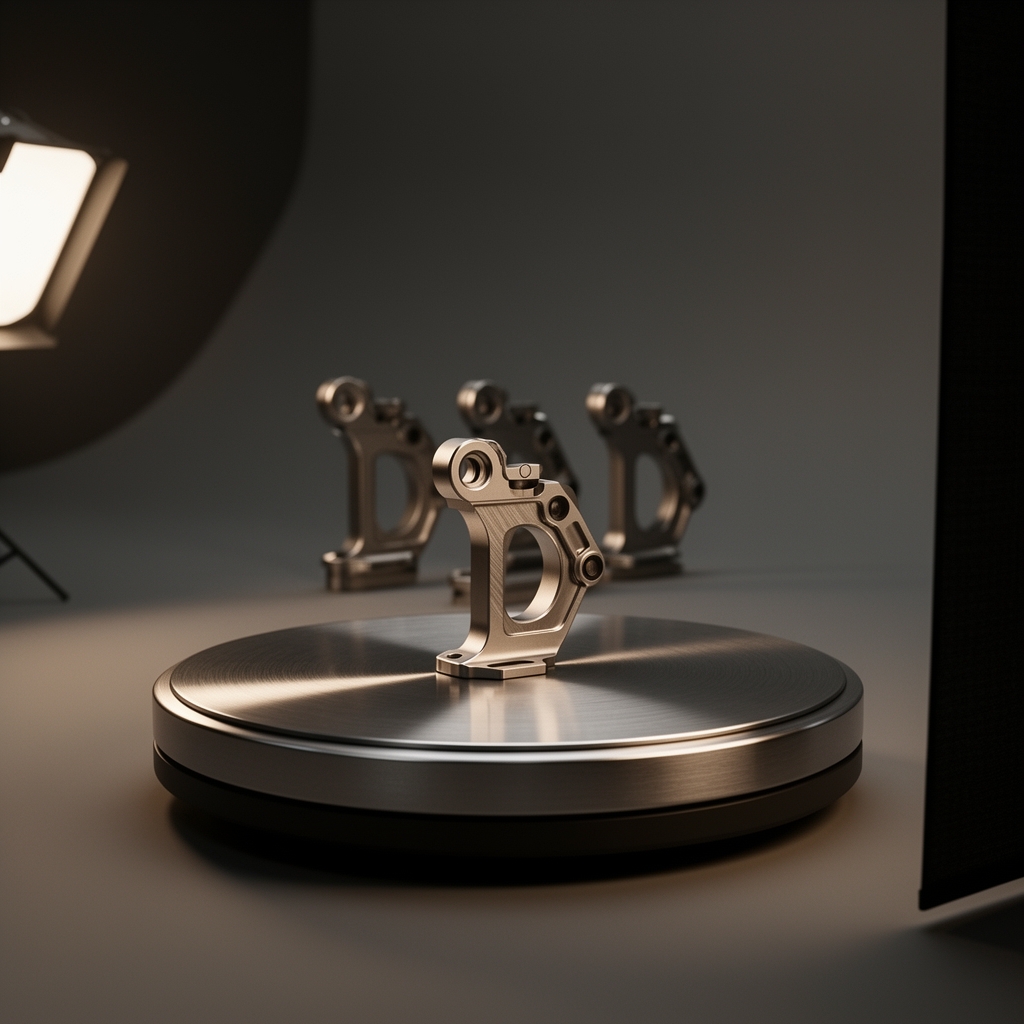
| 360° spin or turntable loop | 5–15 seconds | $5,000–$10,000 | One hero model, studio lighting, one camera move |
| Exploded view or technical animation | 20–60 seconds | $20,000–$50,000+ | Every internal part modelled and separated, assembly order, cutaways |
| Cinematic product commercial | 15–60 seconds | $50,000–$100,000+ | Art direction, liquid, particle or cloth simulation, broadcast finish |
Notice that the longest film is not always the dearest. A 15-second commercial with fluid simulation can cost several times more than a 60-second technical film, because each second takes far more work to build, light and render.
Prices per Minute and per Second
Many buyers ask for a per-second rate, and it is a fair starting point as long as you know its limits. Frame Sixty's September 2026 guide puts 3D animation at $5,000 to $50,000 or more per finished minute, with about $10,000 a common mid-tier baseline. Divided by 60, the same provider tiers look like this:
| Provider | Per finished minute | Per second (approx.) |
|---|---|---|
| Freelance 3D animator | $1,000–$5,000 | $17–$83 |
| Boutique 3D studio | $5,000–$15,000 | $83–$250 |
| Full-service agency | $15,000–$50,000+ | $250–$830+ |
Per-second maths breaks down at both ends of the scale. A short film still needs the full model, look development and lighting, so a 15-second video rarely costs a quarter of a 60-second one. Equally, a 60-second film made from reused assets may cost well under twice its 30-second version. Use the rate to check that a quote is in the right region, not to calculate one.
What Drives 3D Product Animation Cost
Six things account for most of the difference between two quotes for what looks like the same video.
Source files
If you can supply clean CAD files, the studio starts with accurate geometry. It will still need to tidy them for rendering, but that costs less than building a product from photographs and measurements. Many manufacturers overlook this, so check what engineering already holds before you ask for quotes.
Product complexity
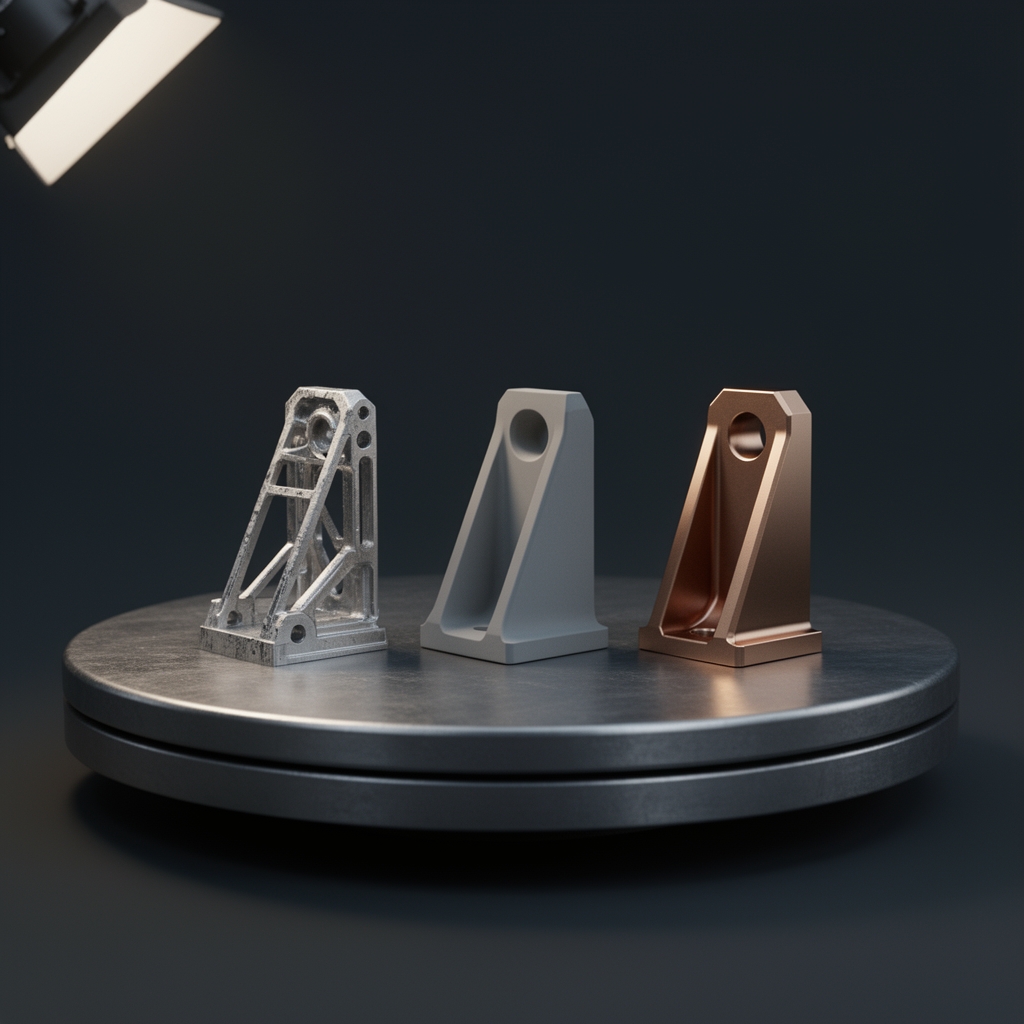
A sealed bottle is a far simpler job than a power tool with visible internals. Each part that moves or is seen up close has to be modelled, textured and animated. Exploded views cost more for this reason: parts that normally stay hidden now need full detail.
Materials and surfaces
Brushed metal, glass, liquids, fabric and translucent plastic all take longer to get right than matte surfaces, and they usually take longer to render. Beauty and drinks brands should expect this to show in the budget.
Simulation and effects
Liquid pours, particles, smoke and cloth are calculated rather than keyframed by hand, and a change late in the process can mean running the simulation again. This is often the largest jump in price between a clean feature video and a commercial.
Environments and story
A product on a plain studio set needs one scene. A film that moves through a kitchen, a street and a mountain pass needs each location to be designed and built. Character animation adds another layer again, and is rarely worth it for a product-led film.
Deliverables and timing
A single 16:9 master is one job. Add 9:16 and 1:1 versions, 6-second and 15-second cutdowns and localised end cards, and the edit and render time grows. Tight deadlines also tend to carry a premium, since they can require extra artists or render capacity.
Freelancer, Studio or Agency
Each route suits a different kind of project, and the cheapest one is not automatically the worst value.
- Freelancer: a good choice for a simple spin or a single shot from a ready CAD file. You manage the brief, and capacity can be limited if the work grows.
- Boutique studio: a safer choice for multi-shot films with exploded views, cutdowns and fixed deadlines, because modelling, animation, lighting and editing sit under one producer.
- Full-service agency: suits campaigns where strategy, concept and media planning are part of the brief. You pay for that wider team as well as the animation.
Location also affects price. Published rate tables consistently show lower hourly rates in India and Eastern Europe than in North America and Western Europe, and that gap explains part of the spread in international quotes. Judge a studio on its portfolio and process as well as its rate. Our 3D team works from Pune with brands in the US, UK, Canada and Europe, and our 3D product animation service page shows how those projects are run.
How to Compare Quotes Fairly
Low quotes are not always cheaper. Frame Sixty warns that figures of $100 to $3,000 per minute often describe the animation-labour phase alone, without modelling, rigging, rendering or production. Two quotes can only be compared when they cover the same scope. Ask every supplier to confirm these points in writing:
- Whether modelling is included, and what source files are assumed.
- How many revision rounds are included, and at which stages.
- Which output resolutions, aspect ratios and cutdowns are included.
- Whether music licensing, sound design and voiceover are included.
- Who owns the final 3D model, and whether you receive the working files.
- What happens to the price if the product design changes mid-project.
The last two points matter more than they first appear. Hardware designs often change before launch, and a model you own can be reused for later campaigns.
How to Keep the Budget Under Control
You can reduce the cost without making the film look cheap. Most savings come from decisions made before production starts.
- Lock the product design first. Rebuilding a model after a design change is one of the most avoidable costs in the process.
- Share CAD files early. Good source geometry reduces modelling time.
- Approve early stages properly. Changes at script, storyboard and clay stages are cheap. Changes after final rendering are not.
- Choose one or two hero moments. One striking shot usually does more than six average ones, and it keeps simulation costs contained.
- Plan cutdowns from the start. A film designed for 30, 15 and 6 seconds costs less to adapt than one edited down afterwards.
- Reuse the model. The first film carries the build cost, so later ads, stills and colourways can cost far less.
What to Send a Studio for an Accurate Quote
A short brief gets you a firmer number. Include the product and any CAD files, the film's purpose, target length, reference videos you like, the channels it will run on, your launch date and a budget range. Stating a range does not weaken your position. It lets the studio suggest what can be done for that money, rather than guessing at a scope you cannot afford.
Conclusion
For most brands, 3D product animation cost in 2026 sits between $5,000 and $25,000 for spin and feature videos, from around $20,000 for technical and exploded-view films, and from around $50,000 for cinematic commercials. Complexity, simulation and deliverables move the price more than length does, so compare quotes on scope and not on the headline figure.
If you are planning a launch, see how we approach 3D product animation or tell us about the project.