Mastering Social Media Video Formats for Effective Marketing in 2025
Video format decides whether a piece of content works on the platform it lands on. This is a guide to orientations, platform specifications and the trends shaping video marketing in 2025.
Horizontal versus vertical
Horizontal (16:9) suits larger screens and longer, more detailed storytelling. It remains the default on YouTube and for anything likely to be watched on a desktop or television.
Vertical (9:16) matches how people actually hold a phone, filling the screen and producing a more immersive experience on mobile-first platforms.
Mobile-first as the default
As smartphone use has grown, mobile-first has stopped being a strategy and become the baseline. Vertical video fits that behaviour directly and consistently produces higher engagement on mobile-centric platforms.
Platform by platform
- Facebook — supports several formats, but square (1:1) and shorter durations tend to drive higher engagement in feed and in ads
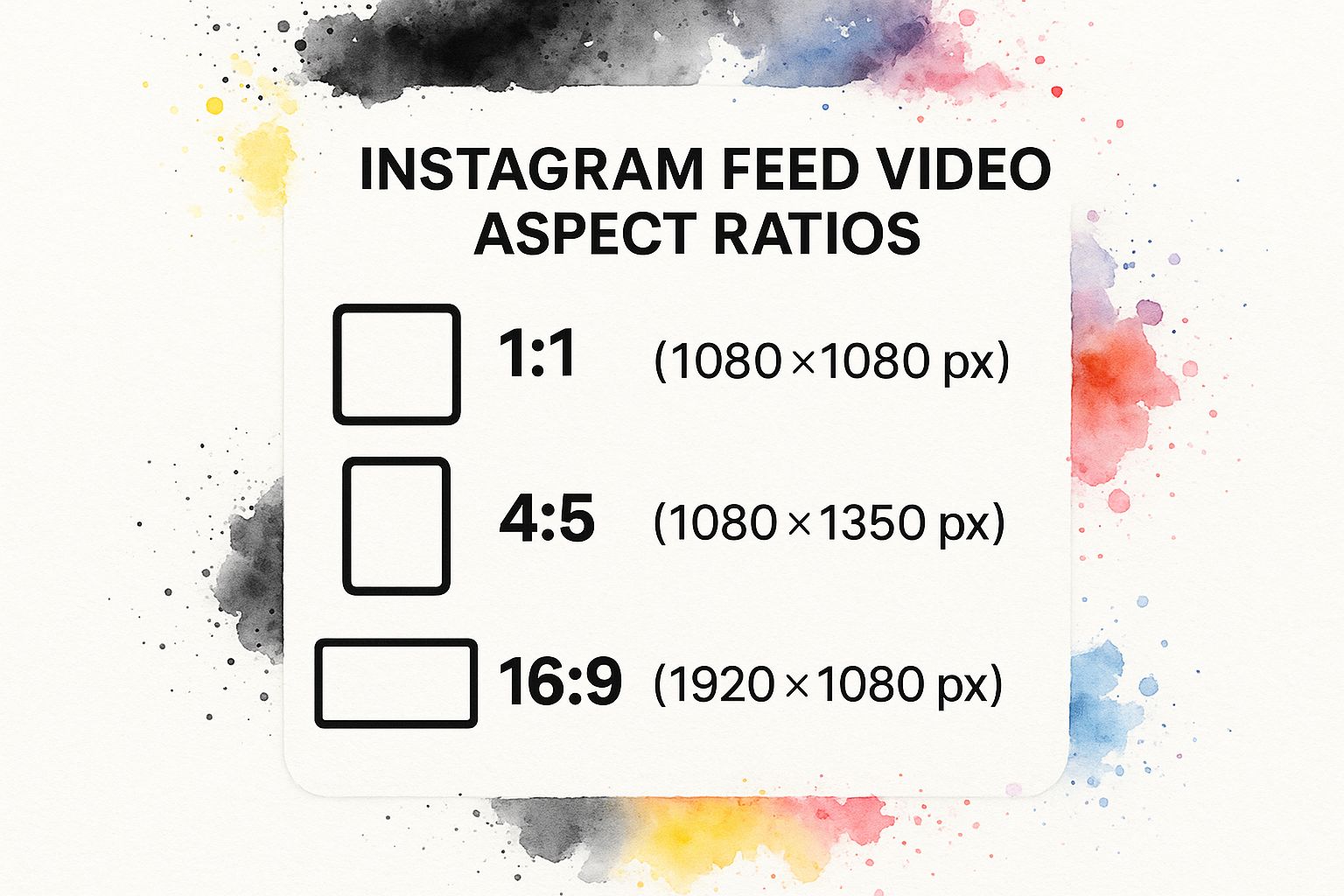
- Instagram — feed works best at square (1:1) or vertical (4:5); Stories and Reels are strictly vertical (9:16)
- TikTok — vertical, typically 15 to 60 seconds, rewarding creative and trend-aware content
- YouTube — landscape (16:9) for standard video, vertical (9:16) for Shorts
Trends in 2025
Short-form continues to dominate, with vertical formats favoured for mobile. But there is a genuine counter-trend: long-form content is resurging as audiences look for depth rather than another quick hit. The practical answer is usually both — a longer piece that cuts down into short-form variants.
Matching format to goal
Video type should follow the stage of the buying journey. Behind-the-scenes and user-generated content work at the awareness stage; tutorials and product demos earn their place during consideration, when someone is deciding whether your product does what they need.
Conclusion
There is no single correct format. There is a correct format for each placement, and the studios and marketers who plan for that from the start avoid recutting everything after the fact.
If you need one piece that works across placements, see how we approach motion work or tell us where it needs to run.