CGI vs Product Photography: Which Should Your Brand Use?
The short answer on CGI vs product photography: photography is usually cheaper and faster for a single shoot of a product that already exists, while CGI costs more up front and gets cheaper with every extra angle, colourway and campaign you need. Most brands with a growing range end up using both. The right split depends on how many images you need, how often the product changes and whether a finished sample exists yet.
What each approach actually involves
Product photography means a physical sample, a studio, a photographer, lighting, styling and retouching. You get images of the real object, captured in a fixed set of angles on the day of the shoot. If you need a new background, a new angle or a new colour later, you usually book another shoot.
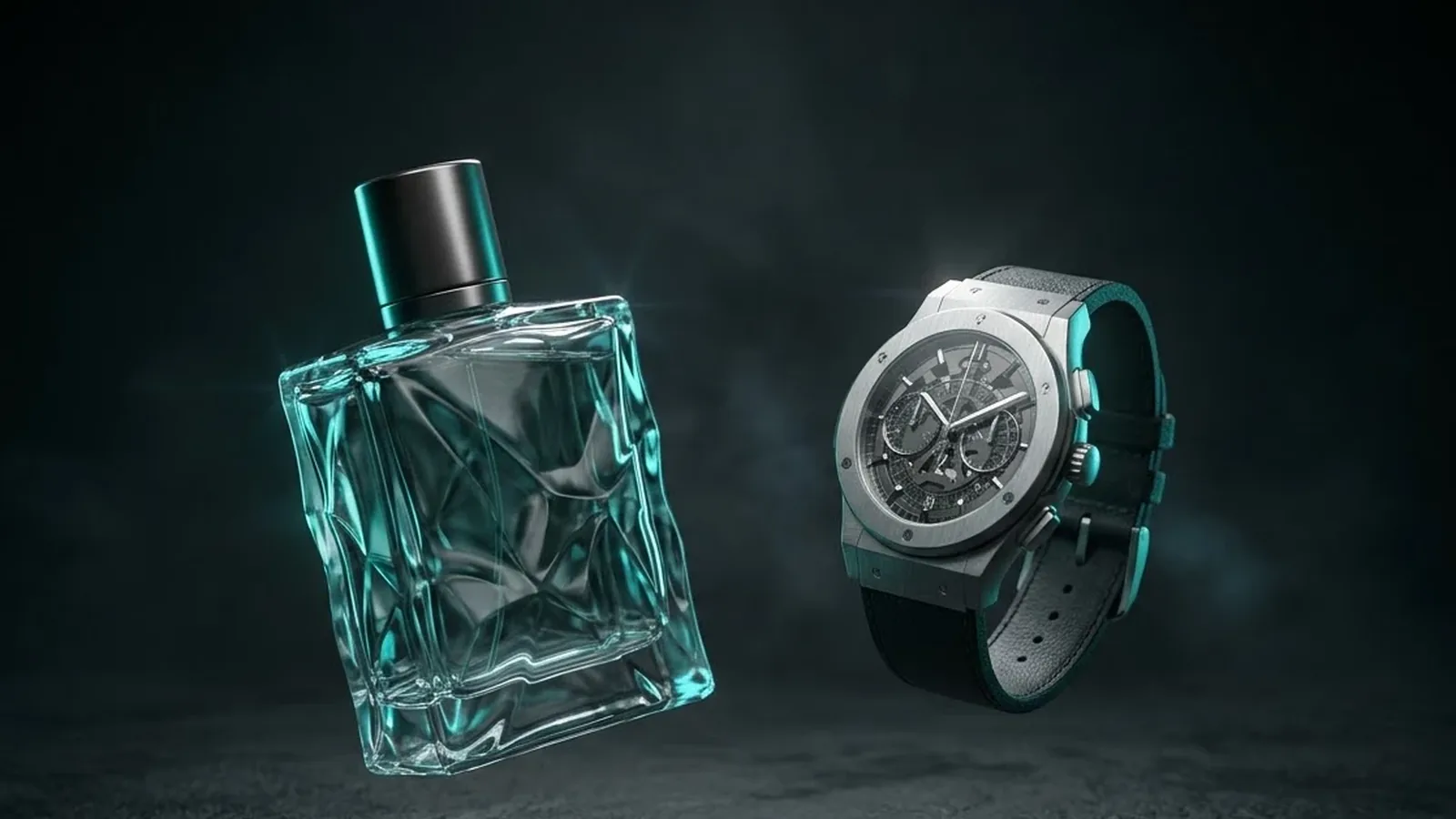
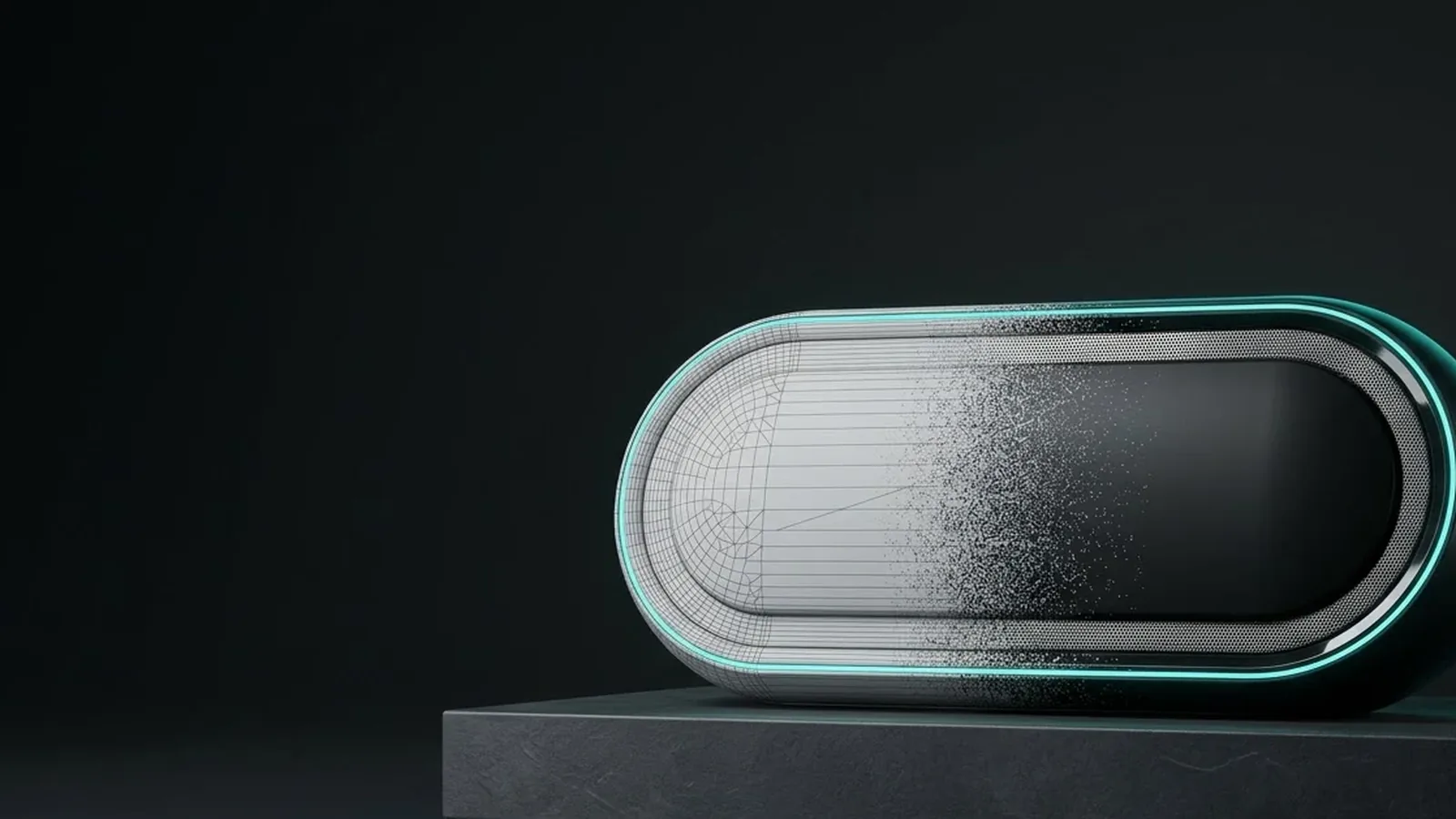
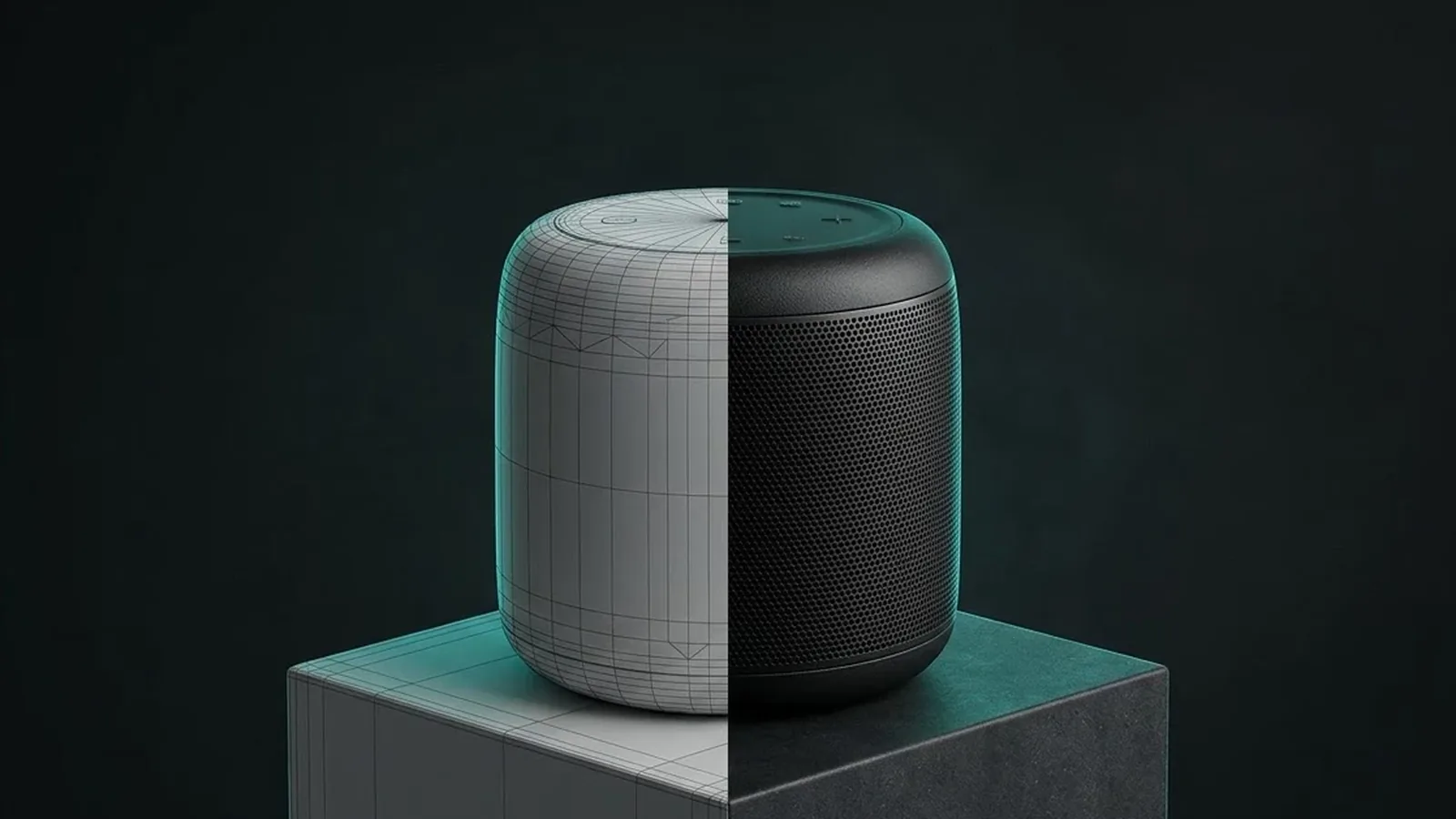
CGI (computer-generated imagery) starts from a 3D model of the product, built from CAD files, drawings or a physical reference. Artists add materials, set up virtual lights and cameras, and render images. Once the model exists, it becomes a reusable asset. You can render it from any angle, in any colour, in any setting, as a still or as an animation.
That difference, a one-off capture versus a reusable asset, drives nearly every trade-off below.
Cost: where each one wins
Photography costs tend to grow in a straight line. Every new product, colourway or set adds more studio time, styling and retouching. CGI is front-loaded: the modelling and material work is the expensive part, and each additional render after that costs much less.
Studios that do both describe a break-even point rather than a fixed winner. One UK studio, for example, suggests that brands running more than four campaigns a year, or selling products in more than three colourways, typically reach cost parity with CGI within three to six months (XO3D). Treat figures like that as a guide from a studio that sells CGI, not a rule. Your own numbers will depend on the product and the brief.
| Situation | Usually cheaper |
|---|---|
| One product, one colour, a handful of hero shots | Photography |
| Ten colourways of the same product | CGI |
| Product not manufactured yet | CGI (photography is not possible) |
| Lifestyle shots with people using the product | Photography, or a hybrid |
| Same product across many campaigns a year | CGI |
| Exploded views, cutaways, internal parts | CGI |
The honest way to compare is to price the whole year of content, not one shoot. Ask both a photo studio and a CGI studio to quote the same list of deliverables, including variants and reshoots you expect.
Speed and timing
A photo shoot can be quick once the sample is ready. The problem is that samples are often late, and final products sometimes change after the shoot. Every change means another booking.
CGI can start before a single unit comes off the line. Teams commonly begin from engineering files while the product is still in development, so launch visuals are ready when pre-orders open. The first round takes longer than a simple shoot because the model and materials need to be built and checked. After that, new angles and edits are mostly render time.
If your launch date is fixed and the sample is not, that alone often settles the question.
Realism and accuracy
A well-made CGI render can be hard to tell from a photograph. IKEA is the best-known example: back in 2014 the company said around 75% of its single product images were computer generated, with a large library of CGI product images behind its catalogue (PetaPixel). That figure is old now, but it shows how long large retailers have relied on CGI for everyday product shots.
Realism still depends on the work. Common weak points in CGI are:
- Materials that look too clean, such as fabric without texture or plastic without small surface variation.
- Lighting that is technically correct but flat.
- Colours that drift from the real product because no physical sample was used for reference.
Photography has the opposite strength. It captures the real object, imperfections and all, which matters for things like food, natural materials and some fashion items. Its weakness is control: dust, reflections and small defects all need retouching, and some angles are simply hard to light.
Whichever route you choose, check renders against a physical sample before they go live. Accurate colour and finish protect you from returns and complaints.
Flexibility after the first round
This is where CGI pulls ahead for most product brands. With a finished 3D model you can:
- Render every colourway and finish without new samples.
- Produce new angles, crops and aspect ratios for different channels.
- Place the product in different settings and seasons.
- Show internal parts with exploded views or cutaways.
- Reuse the same model for animation, AR viewers, configurators and AI-assisted ad variations.
With photography, the images you have are the images you have. Retouching can change a background or a colour within limits, but large changes mean another shoot.
When product photography is still the better choice
CGI is not the answer to everything. Photography usually makes more sense when:
- You need real people using the product, with natural expression and movement.
- The product is soft, organic or hard to model well, such as food, knitwear or fresh flowers.
- You have a small range that rarely changes and only need a few images.
- You need content quickly and the sample is already on your desk.
- Your brand relies on a documentary or behind-the-scenes look.
The hybrid approach most brands end up using
In practice, many brands split the work. A typical mix looks like this:
- CGI for packshots and variants. White-background images, every colourway, close-ups of details and features.
- CGI for launch films and technical stories. Animation that shows how the product works or what is inside it.
- Photography for people and lifestyle. Hands holding the product, people in real spaces, social content that should feel unpolished.
- Composites where they help. A CGI product placed into a photographed scene, matched for lighting.
The key is to decide up front which deliverables come from which source, so the two sets of images look like they belong to the same brand. Matching colour, lighting direction and camera lens style across both is a large part of the job.
How to decide: five questions
Before you brief anyone, answer these:
- Does a final, accurate sample exist today?
- How many colourways, sizes or finishes do you sell, and how many more are coming?
- How many campaigns or content drops do you run a year?
- Do you need to show anything that a camera cannot see, such as internal parts or how the product assembles?
- Will you want animation, AR or a configurator later?
If you answered no to the first question, or yes to most of the others, CGI will likely save money and time over a year. If you have one product, one colour and one campaign, a good photographer is probably the simpler route.
Conclusion
CGI and product photography solve different problems. Photography captures what exists, quickly and honestly, and is still the best tool for people and lifestyle work. CGI builds an asset you can reuse across angles, variants, campaigns and animation, and it works before the product is even made. For most product brands with a growing range, the sensible answer is a planned mix: CGI for packshots, variants and technical stories, photography for the human moments. Price a full year of content both ways, and let that comparison decide the split.
If you are weighing up the options for your next launch, see how our AI studio and CGI work fit together or tell us about the project.